
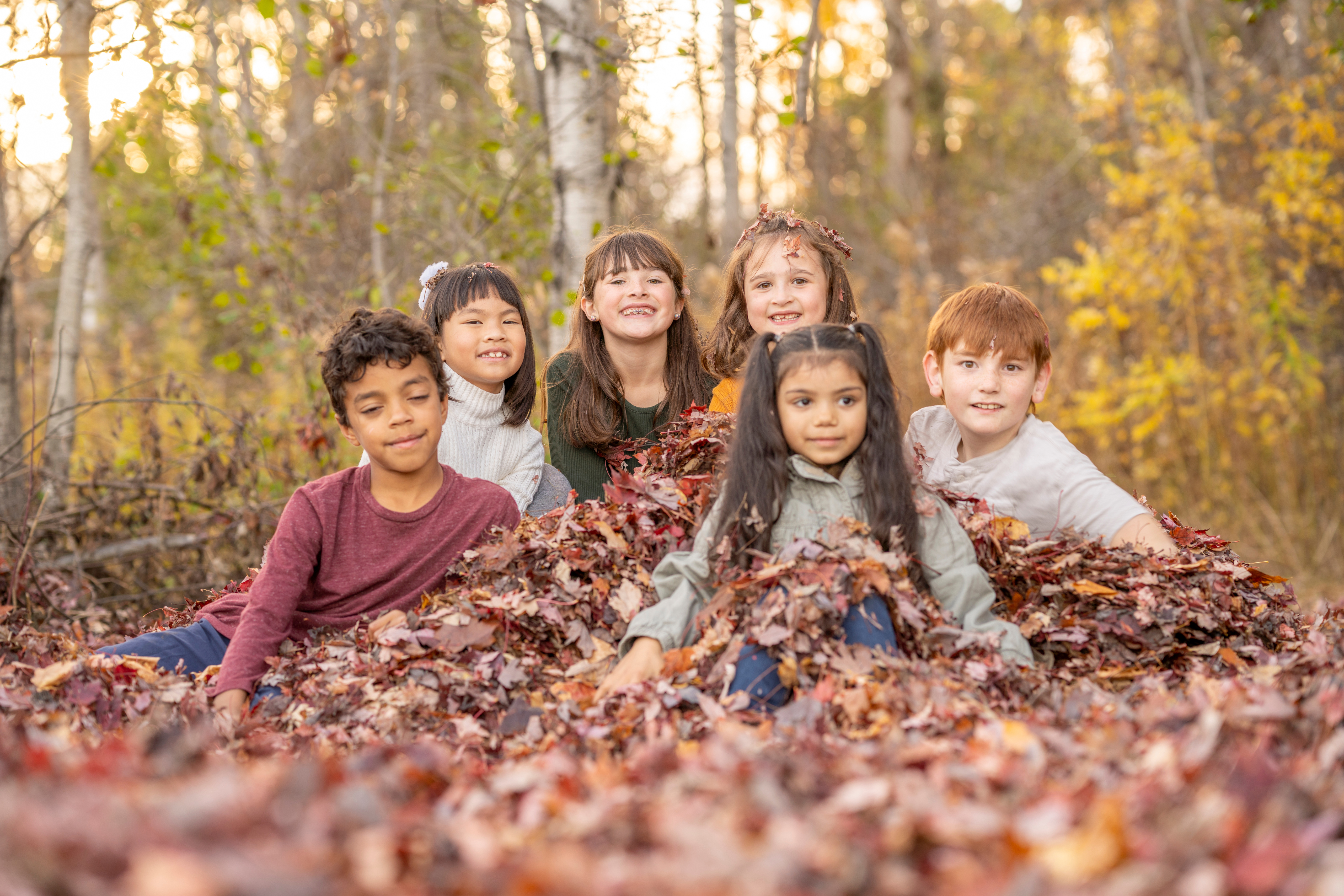
As the vibrant colors of fall begin to appear, so do common allergies and illnesses that can affect children, especially those attending school. At IM&PC (Internal Medicine and Pediatric Clinic), we understand the challenges that come with this season and offer practical advice to keep your kids healthy. Here’s a comprehensive guide to understanding and preventing fall allergies and illnesses.
Understanding Common Fall Allergies
Fall is a prime time for allergies due to the presence of various allergens such as pollen, mold spores, and dust mites. Understanding these allergens can help you take effective steps to protect your child.
Ragweed Pollen
Ragweed is one of the most common allergens in the fall. Its pollen can travel hundreds of miles and trigger symptoms like sneezing, runny nose, and itchy eyes. Children who are allergic to ragweed may experience heightened symptoms during this season.
Mold Spores
Mold thrives in damp environments and can be found in piles of fallen leaves and outdoor mold spores. These spores can become airborne, causing allergic reactions and respiratory issues in sensitive children.
Dust Mites
With the drop in temperature, homes are often closed up, leading to an increase in dust mites. These microscopic creatures can trigger allergies and asthma symptoms, particularly in children.
Prevention of Fall Allergies
Preventing fall allergies involves minimizing exposure to allergens and taking proactive measures to manage symptoms. Here are some strategies to consider:
Keep Windows Closed
Keeping windows closed, especially during high pollen count days, can reduce the amount of pollen entering your home. Use air conditioning to maintain a comfortable indoor environment.
Use HEPA Filters
Installing HEPA filters in your home’s air purifier and HVAC system can help trap allergens and improve indoor air quality. Consider placing a HEPA filter in your child’s bedroom for added protection.
Regular Cleaning
Regularly clean and vacuum your home to remove dust, mold, and pollen. Use a vacuum cleaner with a HEPA filter to ensure allergens are effectively captured.
Shower After Outdoor Activities
After your child plays outside, have them take a shower and change into clean clothes. This helps remove pollen and other allergens from their skin and hair.
Understanding Common Fall Illnesses
In addition to allergies, fall is also a season for common illnesses such as colds, flu, and strep throat. Understanding these illnesses can help you take steps to prevent them.
Common Cold
The common cold is caused by various viruses and is easily spread in school environments. Symptoms include a runny nose, cough, and sore throat.
Flu
The flu is a contagious respiratory illness caused by influenza viruses. It can cause severe symptoms like fever, body aches, and fatigue. The flu vaccine is the best way to protect against this illness.
Strep Throat
Strep throat is a bacterial infection that causes a sore throat and fever. It requires prompt treatment with antibiotics to prevent complications.
Asthma
Fall allergens can trigger asthma symptoms in children, leading to coughing, wheezing, and difficulty breathing. Managing asthma involves avoiding triggers and using prescribed medications.
Prevention of Fall Illnesses
Preventing fall illnesses involves good hygiene practices, vaccinations, and maintaining a healthy lifestyle. Here are some tips to help keep your child healthy:
Handwashing
Encourage frequent handwashing with soap and water, especially before meals, after using the restroom, and after coughing or sneezing. Proper handwashing can prevent the spread of viruses and bacteria.
Vaccinations
Ensure your child is up-to-date on all recommended vaccinations, including the flu shot. Vaccinations are crucial for protecting against serious illnesses.
Healthy Diet and Hydration
Provide a balanced diet rich in fruits, vegetables, and whole grains to support your child’s immune system. Encourage them to drink plenty of water to stay hydrated.
Adequate Sleep
Ensure your child gets enough sleep each night, as a well-rested body is better equipped to fight off infections. Establish a regular bedtime routine to promote good sleep habits.
Cough and Sneeze Etiquette
Teach your child to cover their mouth and nose with a tissue or their elbow when coughing or sneezing. This can help prevent the spread of germs to others.
Avoiding Sick Contacts
Encourage your child to avoid close contact with sick classmates or friends. If your child is feeling unwell, keep them home from school to prevent spreading illness to others.
Additional Tips for a Healthy Fall Season
Here are some additional tips to help your child stay healthy during the fall season:
Monitor Allergy and Asthma Symptoms
Keep an eye on your child’s allergy and asthma symptoms. If symptoms worsen, consult with your healthcare provider for appropriate management and treatment options. Our allergy management services at IM&PC can provide personalized care and treatment plans.
Stay Active
Encourage regular physical activity to boost your child‘s immune system. Outdoor activities are great, but be mindful of high pollen days and take precautions to minimize exposure.
Stay Informed
Stay informed about local allergy forecasts and flu outbreaks. This information can help you take preventive measures and plan outdoor activities accordingly.
Fall allergies and illnesses can be challenging, but with the right preventive measures, you can help your child stay healthy and enjoy the season. Understanding common allergens and illnesses, practicing good hygiene, and maintaining a healthy lifestyle are key to keeping your child well.
Take proactive steps to protect your child’s health this fall. Schedule a wellness exam or consultation with our experienced team at IM&PC. Book your appointment now and ensure your child receives the best care possible.