
Winter brings families closer together as the temperatures drop and everyone moves indoors. While these moments are special, the cold months also increase the risk of germs passing from one person to another. Knowing how to prevent the spread of illness at home is essential for keeping every family member healthy. At Internal Medicine & Pediatric Clinic, we prioritize patient education to help you manage health challenges before they start. Whether you live in New Albany or Saltillo, our team wants to empower you with practical tools to protect your household. This guide offers a comprehensive look at hygiene, lifestyle, and medical steps you can take today.
Effective Hygiene to Prevent the Spread of Illness at Home
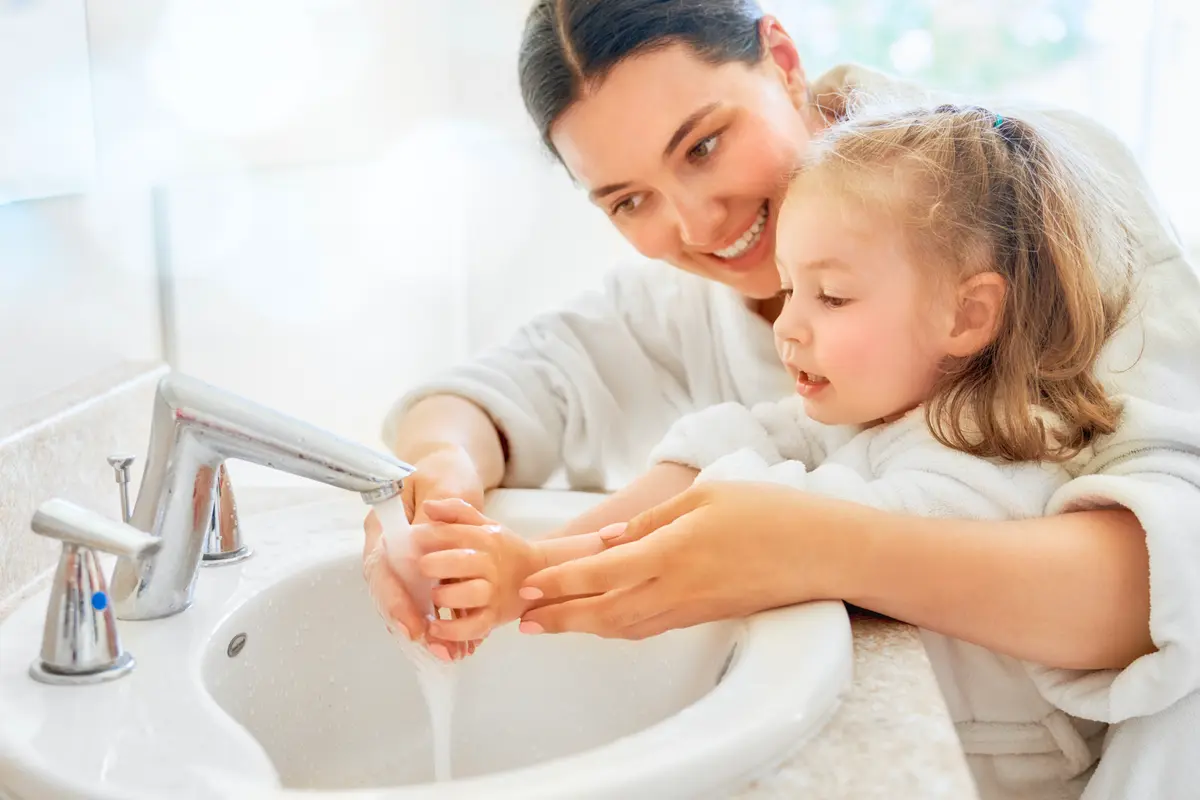
The most basic way to stop germs is through consistent hygiene. When we touch surfaces and then touch our faces, we provide a pathway for viruses to enter our bodies. Handwashing remains the single most effective tool for families. It is a simple habit that provides a strong defense for people of all ages. Our pediatric care experts often remind parents that teaching children good habits early can lead to a lifetime of better health. You should encourage everyone in the house to wash their hands immediately upon returning home from school, work, or the grocery store.
Mastering the Handwashing Technique
Many people wash their hands, but they do not always do it correctly. To truly remove germs, you must use soap and running water for at least twenty seconds. Make sure to scrub the backs of the hands, between the fingers, and under the nails. For children, singing a short song can help them keep track of the time. Rinsing thoroughly and drying with a clean towel are also vital steps. Using a dirty towel can quickly re-contaminate clean skin. If soap and water are not available, a hand sanitizer with at least sixty percent alcohol is a good temporary substitute.
Using Hand Sanitizer Properly
Hand sanitizer is a convenient option when you are on the go. However, it does not replace the need for traditional washing when hands are visibly dirty. When using sanitizer, apply enough product to cover all surfaces of both hands. Rub them together until they feel dry. This process usually takes about twenty seconds. Keep sanitizer bottles in common areas like the living room or near the front door to encourage frequent use. This is especially important during the peak of the winter season when respiratory viruses are most active in the community.
Cleaning Strategies to Prevent the Spread of Illness at Home
Germs can live on hard surfaces for several hours or even days. In a busy household, high-touch areas become breeding grounds for bacteria and viruses. Focusing your cleaning efforts on these specific spots can significantly lower the risk of infection. Our internal medicine specialists suggest creating a daily routine for disinfecting common items. This prevents the buildup of pathogens that might cause a cold or the flu. A clean home environment supports the overall wellness goals of every family member, from infants to seniors.
Identifying High-Touch Germ Hotspots
You might be surprised by which items carry the most germs. Doorknobs, light switches, and cabinet handles are touched dozens of times each day. Electronic devices like smartphones, tablets, and remote controls are also major culprits. In the kitchen, the refrigerator handle and the microwave buttons need regular attention. Do not forget about shared items in the bathroom, such as faucet handles and toilet levers. By identifying these hotspots, you can make your cleaning routine faster and more effective. Wiping these down once or twice a day can break the chain of transmission.
Choosing and Using Disinfectants
Not all cleaning products are the same. To kill viruses, you need a disinfectant rather than just a simple cleaner. Look for products that are approved by health organizations for killing common household germs. Always follow the instructions on the label, as many disinfectants need to stay wet on a surface for a few minutes to work correctly. If you prefer natural options, solutions containing at least seventy percent alcohol can be effective. Always ensure the room is well-ventilated when using strong cleaning chemicals to protect the respiratory health of your children and pets.
Improving Indoor Air Quality During Winter
During the winter, we often keep our windows tightly shut to save energy and stay warm. This lack of fresh air can lead to stagnant indoor environments where germs linger longer. Improving the air quality in your home is a key part of learning how to prevent the spread of illness at home. Dry air can also irritate the nasal passages, making it easier for viruses to take hold. At Internal Medicine & Pediatric Clinic, we often see patients with increased asthma symptoms during this time due to poor air quality. Taking steps to manage your indoor environment can benefit everyone.
The Benefits of Controlled Humidity
Winter air is naturally dry, and heating systems strip even more moisture away. When the air is too dry, your mucus membranes can crack and become less effective at trapping germs. Using a humidifier can help maintain a healthy moisture level in your home. Aim for a humidity level between thirty and fifty percent. However, be sure to clean your humidifier regularly to prevent mold and bacteria from growing inside the machine. Proper humidity can also soothe a sore throat or a dry cough, making it easier for family members to recover if they do get sick.
Strategies for Better Ventilation
Even when it is cold outside, bringing in a little fresh air can help. Briefly opening windows on opposite sides of the house can create a cross-breeze that flushes out stale air. If the weather is too harsh, rely on your HVAC system. Make sure to change your air filters frequently during the winter months. Using high-efficiency filters can help trap smaller particles, including some viruses and allergens. Some families also find success with portable air purifiers that use HEPA filters. These devices are particularly useful in bedrooms or shared living spaces where the family spends most of their time.
Managing Social Distancing Within the Household
When one person in the house gets sick, it often feels like everyone else is destined to follow. However, this does not have to be the case. You can take specific steps to isolate the illness and protect the healthy members of your family. This requires clear communication and a bit of planning. If you are concerned about a sick child, our providers in New Albany can offer guidance on managing symptoms while keeping siblings safe. Creating a plan before someone gets sick can reduce stress and help you respond more effectively when the first sneeze occurs.
Creating a Dedicated Recovery Space
If possible, the sick person should stay in a separate bedroom. This limits the number of germs they release into the common areas of the house. They should also use a separate bathroom if one is available. If a separate bathroom is not an option, the shared bathroom should be disinfected after every use by the sick individual. Encourage the person who is ill to wear a mask if they must enter shared spaces like the kitchen. Providing them with their own set of tissues, a trash can, and plenty of fluids inside their room helps them stay isolated while they recover.
Safe Handling of Shared Items
Shared items can easily spread infection. During the winter, it is best to avoid sharing towels, bedding, or eating utensils. When someone is sick, wash their laundry and dishes in hot water to kill any lingering germs. Do not “share” snacks or drinks, even if the other person seems healthy, as they may be contagious before symptoms appear. If you are caring for a sick infant, be mindful of toys that may end up in their mouth. These should be cleaned frequently with soap and water. Our pediatric care team can provide more specific tips on keeping infants safe during the flu season.
Boosting Your Family’s Natural Defenses
A strong immune system is your best internal defense against winter bugs. While hygiene and cleaning are external protections, lifestyle choices build your body’s ability to fight off infections. This holistic approach to health is a cornerstone of the care we provide at Internal Medicine & Pediatric Clinic. We focus on preventive care to help patients stay well throughout the year. Simple changes in diet, sleep, and activity levels can make a significant difference in how your body responds to exposure. Teaching your children these habits now will help them maintain child health as they grow.
Nutrition and Hydration for Immunity
What you eat directly impacts your immune function. During the winter, focus on a diet rich in fruits, vegetables, lean proteins, and whole grains. Foods high in Vitamin C, Vitamin D, and zinc are particularly helpful for immune support. Staying hydrated is also essential, even if you do not feel as thirsty as you do in the summer. Water helps your body flush out toxins and keeps your respiratory system functioning at its best. If a family member has a chronic condition like diabetes, maintaining a healthy diet is even more critical for preventing complications during an illness.
The Importance of Restful Sleep
Sleep is the time when your body repairs itself and strengthens its defenses. Lack of sleep can weaken the immune system, making you more susceptible to viruses. Adults should aim for seven to nine hours of quality sleep each night, while children need even more depending on their age. Establish a consistent bedtime routine to help everyone wind down. Keeping electronic devices out of the bedroom can improve sleep quality. If you find that stress is keeping you awake, consider light exercise or meditation during the day. A well-rested body is much better at fighting off the germs you encounter daily.
The Role of Professional Medical Care
Sometimes, despite your best efforts, medical intervention is necessary. Knowing when to see a doctor is just as important as knowing how to prevent the spread of illness at home. Regular check-ups are a great way to ensure your family’s health is on track before the busy winter season. Our clinics in New Albany and Saltillo offer a wide range of services to support you. From well-child exams to adult wellness exams, we are here to provide personalized care for every stage of life.
The Importance of Immunizations
Vaccines are one of the most powerful tools we have to prevent serious illness. Keeping up with your immunizations protects not only you but also the vulnerable people around you. Flu shots and other seasonal vaccines are designed to reduce the severity of illnesses and prevent hospitalizations. We encourage all our patients to stay current with their vaccination schedules. If you are unsure which vaccines your family needs, our staff can review your records and provide recommendations. This is a vital part of internal medicine and pediatric care that saves lives every year.
When to Seek Urgent Care
It can be difficult to decide if a symptom requires a doctor’s visit. High fevers, difficulty breathing, or persistent vomiting are signs that you should seek medical attention. If you or your child has a pre-existing condition like asthma or high blood pressure, you should be extra cautious. Our clinic provides emergency care and urgent services for those times when you cannot wait. We also offer imaging services and lab work on-site to get you the answers you need quickly. Early diagnosis often leads to a faster recovery and prevents the illness from spreading further.
Preventing the spread of illness at home requires a combination of good habits, a clean environment, and proactive medical care. By focusing on hand hygiene, disinfecting high-touch surfaces, and improving your indoor air quality, you create a strong barrier against winter germs. Remember that lifestyle choices like nutrition and sleep also play a vital role in keeping your immune system ready for action. When your family stays healthy, you can truly enjoy everything the winter season has to offer without the interruption of frequent illness.
If you have questions about your family’s health or want to prepare for the season, we invite you to reach out to us. Whether you need pediatric care for your little ones or internal medicine services for yourself, our board-certified providers are ready to help. You can easily schedule appointment online or call one of our locations. We are proud to serve the New Albany and Saltillo communities with patient-centered care that focuses on the whole person. Let us work together to keep your home a healthy and happy place this winter.