
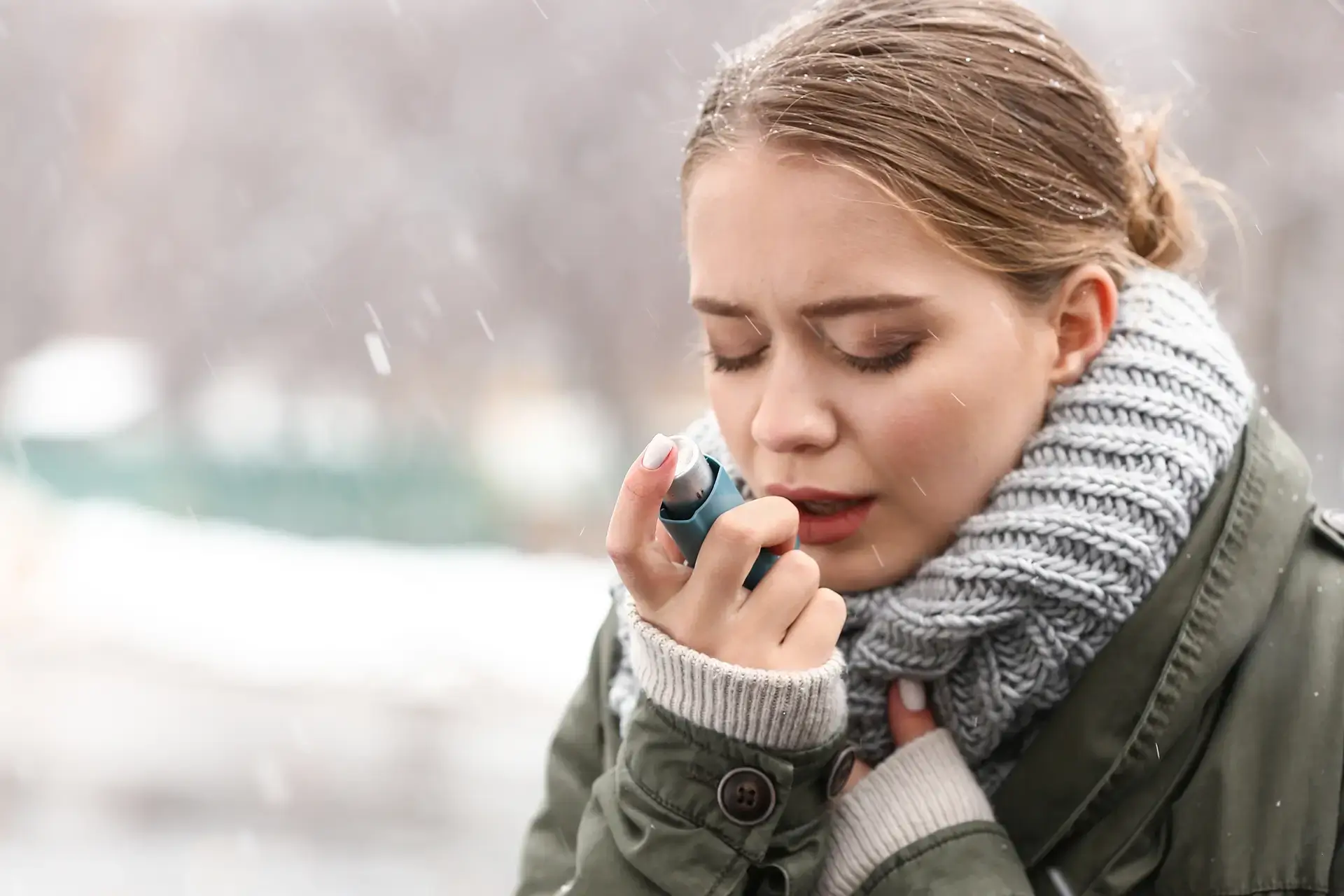
As temperatures drop and winter approaches, many people notice changes in how their bodies feel, especially in their lungs. For patients with asthma, cold weather can be a powerful trigger. At IM&PC in Saltillo and New Albany, our providers often see an increase in asthma symptoms during the winter season. Cold air, seasonal illnesses, and indoor allergens can all make breathing more difficult.
Asthma affects both children and adults, and winter adds unique challenges. Cold weather can irritate airways, causing them to tighten and become inflamed. Understanding how winter impacts asthma is the first step toward protecting your lungs. At IM&PC, our doctors are here to help patients prepare, manage symptoms, and breathe easier all season long.
Why Cold Weather Can Worsen Asthma Symptoms
Cold weather affects asthma in several ways. When cold, dry air enters the lungs, it can irritate the airways. This irritation may lead to coughing, wheezing, chest tightness, or shortness of breath. People with asthma are especially sensitive to these changes.
During the winter season, people also spend more time indoors. Indoor heating can dry out the air, increasing exposure to triggers such as dust mites, pet dander, and mold. Respiratory infections, which are more common in winter, can also cause asthma flare-ups.
At IM&PC in Saltillo and New Albany, we remind patients that asthma symptoms may change with the seasons. What feels manageable in warmer months can become more challenging in cold weather. Recognizing these patterns helps patients stay ahead of symptoms, rather than reacting after a flare-up occurs.
Expert Tips from IM&PC Doctors to Protect Your Lungs This Winter
Managing asthma during the winter season requires preparation and consistency. Our providers at IM&PC recommend the following expert-backed strategies to help protect your lungs during cold weather.
Cover Your Nose and Mouth Outdoors
Breathing through a scarf or mask warms the air before it reaches your lungs. This simple step can reduce airway irritation when spending time outside in cold weather.
Use Your Asthma Medications as Prescribed
Controller medications work best when taken regularly, even when symptoms are mild. Rescue inhalers should always be easily accessible, especially during winter activities.
Avoid Sudden Temperature Changes
Moving quickly from a warm indoor space to cold outdoor air can trigger asthma symptoms. Allow your body time to adjust when possible.
Maintain Good Indoor Air Quality
Use a humidifier to keep indoor air from becoming too dry, but clean it regularly to prevent mold growth. Dust and vacuum often to reduce allergens in your home.
Stay Up to Date on Vaccines
Respiratory infections can worsen asthma. Flu shots and other recommended vaccines help reduce the risk of illness during the winter season.
Wash Hands and Limit Exposure to Illness
Cold weather brings more viruses. Frequent handwashing and avoiding close contact with sick individuals can lower your risk of asthma-related complications.
Create or Update an Asthma Action Plan
An asthma action plan helps you recognize early symptoms and respond quickly. IM&PC providers work with patients to create clear, personalized plans.
These steps can significantly reduce asthma flare-ups during winter. Still, every patient is different. That’s why personalized care matters.
Managing Asthma for Children and Adults During the Winter Season
Asthma doesn’t look the same for everyone. Children may experience frequent nighttime coughing or difficulty keeping up during outdoor play. Adults may notice chest tightness or fatigue during daily activities. Cold weather can affect each age group differently.
For children, parents should closely monitor symptoms. Nighttime coughing, frequent use of rescue inhalers, or difficulty with physical activity may indicate inadequate asthma control. School-aged children should have inhalers available and school staff informed of their asthma action plan.
Adults with asthma may notice symptoms during exercise, commuting, or outdoor work. The winter season, stress, poor sleep, and illness can also exacerbate asthma control. Adults should not ignore subtle changes in breathing or energy levels.
At IM&PC in Saltillo and New Albany, we support both children and adults with asthma. Our providers help adjust treatment plans as needed and offer guidance for managing symptoms during cold weather.
When to Schedule an Asthma Checkup at IM&PC
Winter is an ideal time to review asthma management. If you or your child has asthma, a seasonal checkup can help prevent complications before symptoms worsen.
You should consider scheduling a visit if:
- Asthma symptoms increase during cold weather
- Rescue inhaler use becomes more frequent
- Nighttime coughing disrupts sleep
- You’ve had recent respiratory infections
- Your asthma action plan needs updating
During a visit, IM&PC providers review medications, discuss triggers, and ensure inhaler technique is correct. Small adjustments can make a big difference in symptom control.
Preventive care is especially important during the winter season. Addressing concerns early helps patients stay active and avoid urgent care visits or hospitalizations.
How IM&PC Supports Asthma Care in Saltillo and New Albany
At IM&PC, asthma care goes beyond treating symptoms. We focus on education, prevention, and long-term lung health. Our clinics in Saltillo and New Albany provide comprehensive care for patients of all ages.
We offer:
- Asthma evaluations and monitoring
- Medication management
- Personalized asthma action plans
- Education on triggers and prevention
- Support during seasonal changes
Our team understands the impact of cold weather on asthma and works closely with patients to develop realistic and effective strategies. We take time to listen, answer questions, and adjust care as needed.
Patients appreciate having a trusted medical team that understands their history and health goals. That relationship becomes especially valuable during the winter season, when asthma symptoms can be unpredictable.
Staying Active and Healthy Despite Cold Weather
Asthma should not prevent you from enjoying winter activities. With proper planning, many patients remain active throughout the colder months. Gentle exercise, indoor workouts, and stretching help maintain lung function and overall health.
Warming up before activity, using prescribed inhalers, and avoiding outdoor exercise during extremely cold or windy conditions can reduce asthma symptoms. IM&PC providers can recommend safe activity options based on your specific needs.
Healthy habits also support lung health. Eating balanced meals, staying hydrated, and getting enough sleep strengthen the immune system. Managing stress is equally important, as stress can worsen asthma symptoms.
Breathe Easier This Winter with IM&PC
Cold weather and asthma can be a challenging combination, but you don’t have to manage it alone. IM&PC is here to support patients in Saltillo and New Albany throughout the winter season with expert care and guidance.
If you have asthma, or care for someone who does, now is the time to prepare. Schedule a visit to review your asthma plan, update medications, and discuss ways to protect your lungs during cold weather.
Winter doesn’t have to mean more flare-ups or breathing difficulties. With the right care, you can stay healthy, active, and confident all season long. Contact IM&PC today to schedule your appointment and take the next step toward better lung health this winter.