
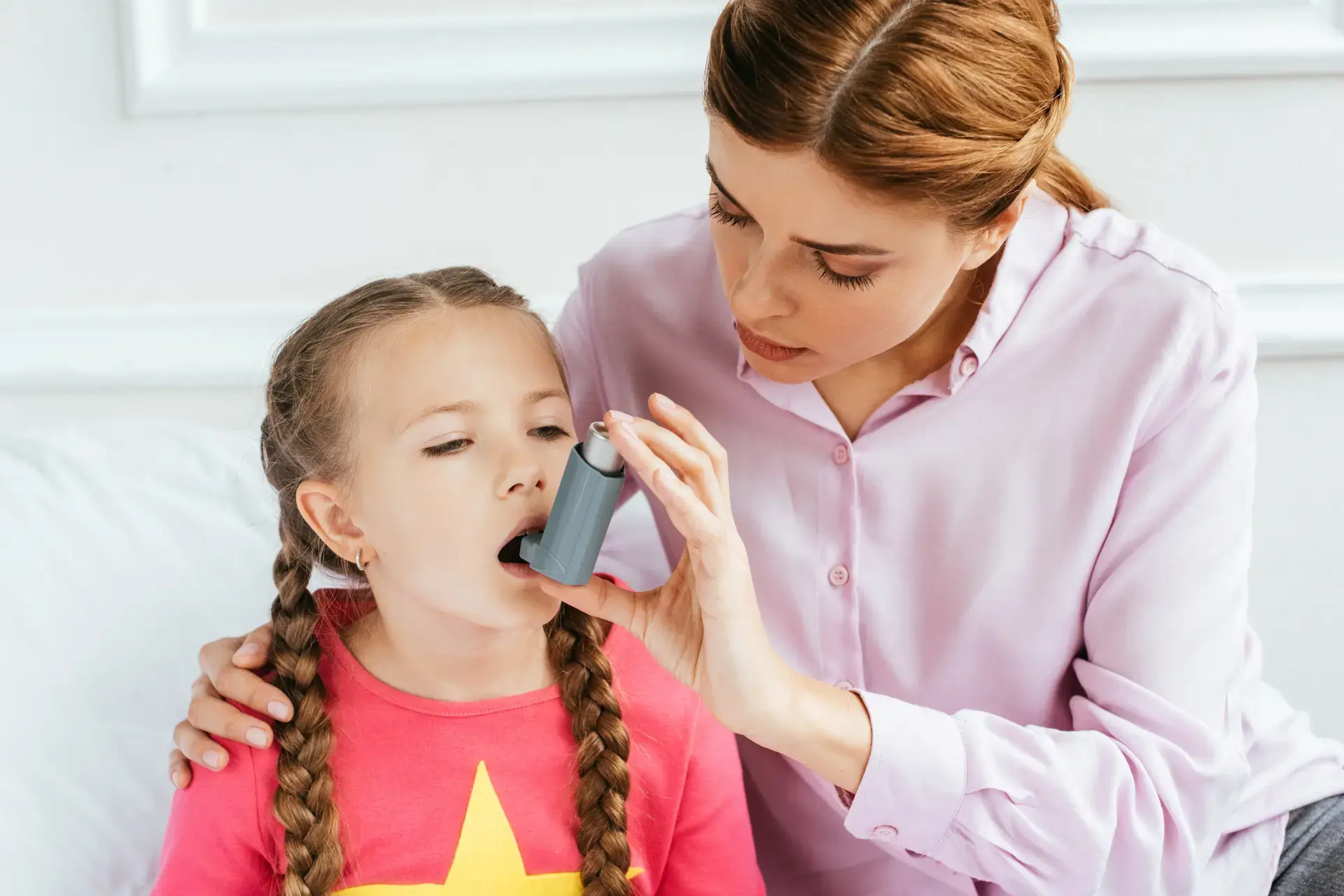
Springtime in Mississippi brings beautiful blooms and warmer weather, but for many families, it also signals the start of sneezing and wheezing. Understanding the connection between asthma and seasonal allergies in children is essential for keeping your little ones healthy and active during this vibrant season. At Internal Medicine & Pediatric Clinic, we see many patients who struggle with these conditions as the pollen counts rise. Our goal is to provide clear education and actionable advice to help parents navigate the challenges of springtime respiratory health. By recognizing the early signs and implementing effective management strategies, you can ensure your child enjoys the outdoors without the burden of constant symptoms. Knowledge is the first step toward better health for your family.
Understanding the Connection Between Asthma and Seasonal Allergies in Children
Many parents do not realize that allergies and asthma often go hand in hand. This relationship is frequently referred to as allergic asthma. When children with sensitive immune systems encounter triggers like tree pollen or grass, their bodies react by releasing chemicals that cause inflammation. For a child with asthma, this inflammation does not just stay in the nose and eyes. It travels down into the lungs, causing the airways to narrow and making it difficult to breathe. This is why many children see their asthma symptoms worsen significantly during the spring months.
The Biological Link
The immune system of a child with allergies views harmless substances, such as pollen, as dangerous invaders. In response, the body produces an antibody called Immunoglobulin E. This antibody triggers the release of histamine, which causes classic allergy symptoms. In patients with asthma, this same process can trigger a bronchial response. The muscles around the airways tighten, and the lining of the lungs becomes swollen. This dual reaction is why managing both conditions simultaneously is so important for long-term wellness.
The Allergic March
Medical professionals often refer to the progression of allergic diseases as the allergic march. This often begins in infancy with skin conditions like eczema and can progress to food allergies, seasonal allergies, and eventually asthma. Getting high-quality pediatric care early in a child’s life can help identify these patterns. By monitoring these developments, we can create a proactive plan to manage symptoms before they become severe. Our team focuses on holistic care that looks at the whole child rather than just treating a single symptom.
Recognizing Common Symptoms and Triggers
Identifying whether your child is suffering from a simple cold or more serious asthma and seasonal allergies in children can be tricky. Colds usually resolve within a week or two, while allergies persist as long as the trigger is present in the environment. Symptoms of allergies often include itchy, watery eyes, a runny nose with clear discharge, and frequent sneezing. However, when asthma is involved, the signs become more centered on the chest and breathing patterns. It is vital for parents to stay vigilant and track when these symptoms occur.
Common signs that your child may be struggling with seasonal triggers include:
- Shortness of breath or rapid breathing during outdoor play
- A persistent dry cough that worsens at night or early in the morning
- Whistling or wheezing sounds when exhaling
- Complaints of chest tightness or a “heavy” feeling in the chest
- Increased fatigue due to poor sleep quality caused by congestion
- Dark circles under the eyes, often called “allergic shiners”
Identifying Springtime Triggers
In Mississippi, tree pollen is the primary culprit in early spring, followed by grass pollen in the late spring and summer. Mold spores also increase during rainy periods. Each child has different triggers, and identifying them is key to effective asthma management. Some children might react strongly to oak or pine trees, while others are more sensitive to Bermuda grass. Keeping a simple diary of your child’s symptoms and the daily weather conditions can provide valuable clues for your healthcare provider during your next visit.
When to Seek Medical Attention
If you notice your child using their accessory muscles to breathe—such as the skin pulling in around the ribs or neck—you should seek immediate care. Persistent coughing that interferes with school or sleep is another sign that their current management plan needs an update. Our urgent care services are available to help when symptoms flare up unexpectedly. Regular check-ups and well-child exams are the best way to stay ahead of these issues and adjust medications before the peak of allergy season arrives.
Developing an Effective Asthma Management Plan
Managing asthma during the spring requires a two-pronged approach: avoiding triggers and using medications correctly. An Asthma Action Plan is a written document that helps parents and caregivers know exactly what to do based on the child’s symptoms. This plan is typically divided into green, yellow, and red zones. The green zone means the child is doing well, while the red zone indicates an emergency. Having this plan in place provides peace of mind for families and ensures consistency in care across school and home environments.
Controller vs. Rescue Medications
There are two main types of medications used in asthma management. Controller medications are taken every day, even when the child feels fine. They work to reduce the underlying inflammation in the airways so that the lungs are less sensitive to pollen and other triggers. Rescue medications, on the other hand, are used for quick relief during a flare-up. They work quickly to relax the muscles around the airways. It is a common mistake to rely only on rescue inhalers, but long-term control is the key to preventing attacks during high-pollen days.
The Role of Allergy Treatments
Because allergies often trigger asthma, treating the allergic response is a vital part of the strategy. This may include over-the-counter or prescription antihistamines, nasal steroid sprays, or eye drops. In some cases, your provider at our New Albany or Saltillo location may recommend allergy testing to identify specific sensitivities. By reducing the overall “allergic load” on the body, the child’s asthma symptoms often become much easier to manage. Our holistic approach ensures we address both the cause and the symptoms.
Diagnostic Tools and Professional Care at IM&PC
Accurate diagnosis is the foundation of effective treatment for asthma and seasonal allergies in children. At Internal Medicine & Pediatric Clinic, we utilize advanced diagnostic tools to understand exactly how your child’s lungs are functioning. This might include spirometry, which measures how much air your child can breathe out and how fast they can do it. These tests are painless and provide immediate data that helps our board-certified providers make informed decisions about your child’s health care plan.
Our clinic offers several integrated services to support your child’s health, such as:
- In-house X-rays to rule out pneumonia or other lung infections
- Comprehensive laboratory services for blood work and allergy screening
- Direct hospital care coordination if your child requires more intensive treatment
- Management of related conditions like asthma and chronic sinusitis
- Evaluation for developmental milestones during regular well-child exams
Convenient Access to Your Records
We believe that parents should have easy access to their child’s medical information. Through our MyChart (Aprima) patient portal, you can view test results, message your provider, and keep track of immunization records. This level of transparency is part of our commitment to patient-centered care. Whether you are visiting us for internal medicine needs or pediatric concerns, our portal keeps your family’s health information organized and accessible at any time.
The Importance of Local Care
Having a medical home in your community makes managing chronic conditions like asthma much simpler. With locations in both New Albany and Saltillo, families have access to high-quality care without traveling long distances. Our providers understand the local environment and the specific allergens that affect Mississippi residents. This local expertise allows us to provide more tailored advice for our patients, helping them stay healthy in the very environment where they live, play, and go to school.
Practical Tips for Reducing Pollen Exposure at Home
While you cannot control the pollen counts outdoors, you can take several steps to make your home a safe haven for your child. Reducing the amount of pollen that enters your living space can significantly decrease the severity of asthma and seasonal allergies in children. Simple lifestyle adjustments often make a world of difference when combined with a proper medical treatment plan. These habits are easy to implement and can benefit the entire family, especially those who also suffer from seasonal symptoms.
To minimize seasonal triggers in your home, consider these helpful tips:
- Keep windows closed during peak pollen times, typically in the early morning and on windy days
- Use high-efficiency particulate air (HEPA) filters in your home’s HVAC system
- Have your child shower and change clothes immediately after playing outside to wash away pollen
- Dry laundry indoors rather than on a clothesline where pollen can settle on fabrics
- Wipe down pets with a damp cloth after they come inside to prevent them from tracking in allergens
- Check daily pollen forecasts and plan indoor activities when counts are “very high”
Creating a Healthy Sleep Environment
Since children spend a significant portion of their day sleeping, the bedroom should be as allergen-free as possible. Using dust-mite proof covers on pillows and mattresses can help, as dust mites are a year-round trigger that can worsen seasonal symptoms. Keep stuffed animals to a minimum, as they can trap dust and pollen. If your child’s asthma flares up at night, it might be a sign that allergens are present in their bedding or that their daytime exposure was too high. Consistency in these environmental controls is key to seeing a real improvement in your child’s breathing.
Encouraging Healthy Habits
Beyond environmental controls, supporting your child’s overall health can improve their resilience against triggers. A balanced diet, adequate hydration, and plenty of sleep help maintain a strong immune system. We also encourage families to stay up to date with immunizations, as respiratory viruses like the flu can be much more dangerous for a child with asthma. By focusing on wellness promotion and preventive care, we empower patients to take an active role in their health journey throughout the spring and beyond.
Managing your child’s health during the spring does not have to be a source of stress. By understanding the link between asthma and seasonal allergies, recognizing the symptoms early, and working closely with a trusted healthcare provider, you can keep your family breathing easy. Our team at Internal Medicine & Pediatric Clinic is dedicated to providing the education and support you need to navigate these seasonal challenges. We prioritize non-pharmaceutical interventions where appropriate and focus on lifestyle modifications that promote long-term wellness for every member of your family.
Internal Medicine & Pediatric Clinic offers comprehensive, holistic care for patients of all ages, from infants through adults. With our board-certified physicians, physician assistants, and nurse practitioners, we provide a compassionate and patient-centered environment at our two convenient locations in New Albany and Saltillo. Our in-house diagnostics, imaging, and laboratory services ensure that you get the answers you need without the hassle of multiple appointments. Whether you need a well-child exam, adult wellness exam, or chronic disease management, we are here to support your journey toward optimal health.
We invite you to experience the benefits of multi-generational care under one roof. Our focus on prevention and patient education ensures that you are empowered to make the best decisions for your health and the health of your children. Do not let seasonal symptoms keep your family on the sidelines this spring. Contact us today to schedule an appointment for personalized care tailored to your family’s unique needs. We look forward to partnering with you for a healthier, happier season.